

Advertisement
Advertisement
In the UAE, losing a job without a clear and justified reason is not simply a workplace issue — it can fall under what the law defines as “arbitrary termination.” Under the country’s employment framework, workers are protected against unjust dismissal, and there are structured steps they can take to challenge such decisions.
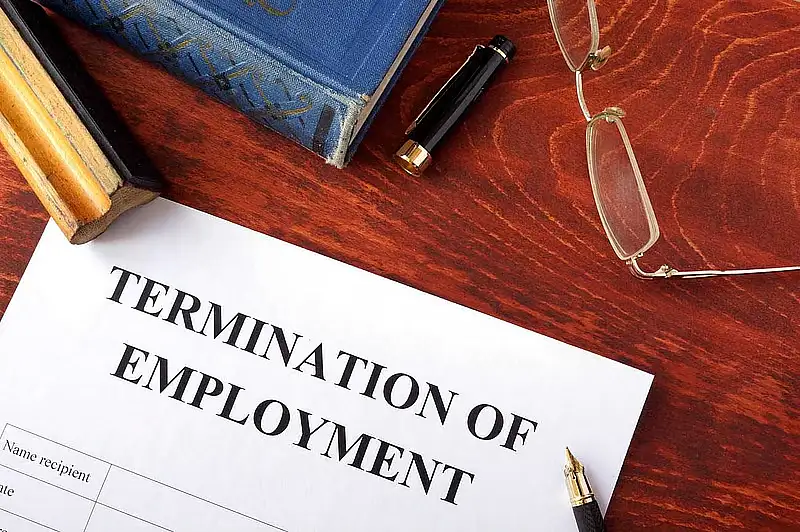
According to current labour regulations, if an employee is dismissed without a valid cause, the termination may be considered unlawful. In such cases, the employee has the right to submit a formal complaint to the Ministry of Human Resources and Emiratisation (MOHRE), which serves as the first point of resolution for employment disputes across the private sector.
Once a complaint is filed, the Ministry will review the case and attempt to resolve the matter through amicable settlement. This initial stage focuses on reaching a fair agreement between both parties without escalating the issue further. Many disputes are resolved at this level, saving time and reducing legal costs for both employees and employers.
If a mutual agreement cannot be reached, the process moves to the next stage. The Ministry will refer the case to the competent court within a defined period, along with a summary of the dispute, the positions of both sides, and its own observations. This ensures that the case proceeds with a clear record of prior attempts at resolution.
For smaller disputes, there is an additional pathway. If the financial claim involved does not exceed Dh50,000, the Ministry itself has the authority to issue a binding decision. This allows certain cases to be resolved more quickly without requiring full court proceedings. However, both parties retain the right to challenge this decision by filing an objection with the relevant court within a specified timeframe. The court will then review the matter and issue a final ruling.
During ongoing disputes, employees are not left without support. In certain situations, authorities may instruct the employer to continue paying wages for a limited period, particularly if salary payments have been withheld due to the dispute. This provision is designed to offer temporary financial stability while the case is being resolved.
For employees considering filing a complaint, documentation plays a crucial role. Evidence such as employment contracts, termination notices, communication records, and performance evaluations can help demonstrate whether the dismissal lacked valid grounds. If arbitrary termination is established, the employee may be eligible for compensation, subject to the court’s assessment and the specifics of the case.
The broader message is clear: employment relationships in the UAE are governed by defined rules that aim to balance the rights of both employers and employees. While businesses retain the ability to manage their workforce, dismissals must be justified and compliant with legal standards.
For workers, understanding these protections can make a significant difference. Taking timely action, following the proper procedures, and being prepared with supporting evidence can help ensure that their rights are preserved and that disputes are handled through the appropriate legal channels.
 Watch AD
Advertisement
Advertisement
Advertisement


 Recommend


